Parliament has asked Dei BioPharma to stick to its mandate and avoid producing generic medicines that can already be manufactured by Ugandan companies, warning that it risks competing unfairly with businesses operating without similar taxpayer support.
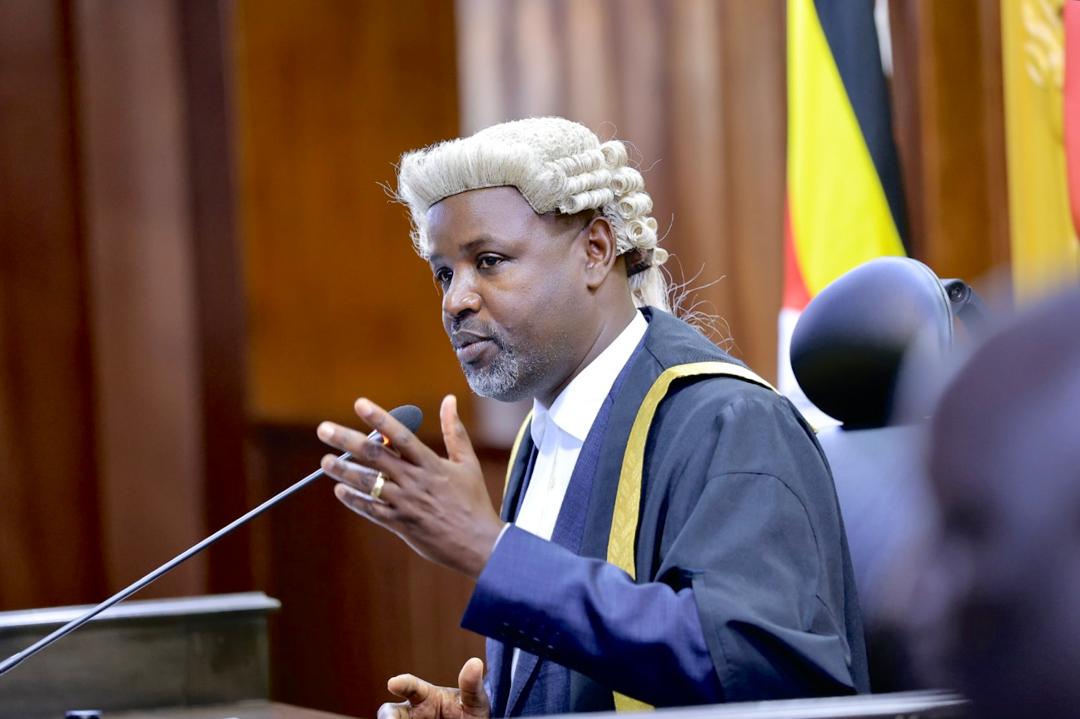
This warning came during Wednesday’s plenary sitting, chaired by Deputy Speaker Thomas Tayebwa, as MPs debated a report on government’s investment in Dei BioPharma, owned by Dr Mathias Magoola.
The report also covered other government-supported projects including, the Engineering Development and Innovation Centre (EDIC) in Kiruhura District, the Nyakihanga Fruit Factory and the Africa Coffee Park in Ntungamo District and the Banana Industrial Research and Development Centre in Bushenyi District.
Tayebwa said he had received complaints from manufacturers who had borrowed money to establish businesses, only to find themselves competing with a company receiving substantial government financing.
“They are saying we have borrowed money to compete with a company which government has given money. Support them to manufacture what is not manufactured locally, otherwise you are telling the other business people to park and go.” Tayebwa said.
Tayebwa said Dei BioPharma should instead be supported to produce new and strategic pharmaceutical products rather than entering markets already served by local manufacturers.
“Let the minister take keen interest in this so that Magoola does not encroach on people who have struggled with loans to build their businesses; let him remain on things which are new which the President recommended. We did not fund him to for instance produce paracetamol,” said Tayebwa.
MPs questioned the value for money of the investment, the financial structure of the project and the extent to which government’s contribution is reflected in its shareholding.
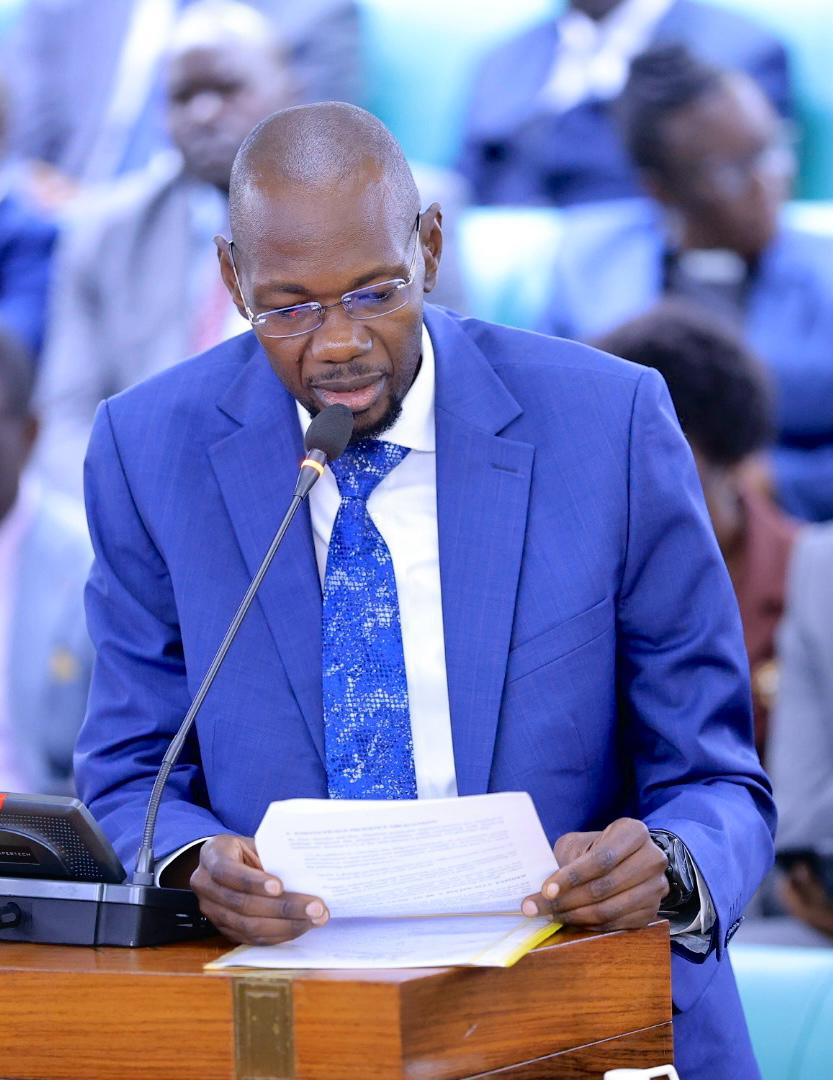
“These projects are good but when you look at the value for money versus what government is spending, it is not worth it. We are spending endlessly as if there was no business proposal on how much the projects will take,” said Hon. Martin Muzaale (NRM, Buzaaya County).
Muzaale added, “We need the audited books and establish why we are spending so much when we have only a few shares, the investor may not have invested more than government yet he has the biggest share,” said Muzaale.
The Leader of the Opposition, Hon. Joel Ssenyonyi, said the committee report was contradictory because it questioned the evidence of government’s ownership and investment while at the same time recommending additional funding.
He faulted government for what he described as a lack of due diligence when entering into such partnerships.
“When government was seeking approval for Shs723 billion to Dei BioPharma that they wanted to buy shares, I asked if they can bring a government valuer’s report. Government told us that we have not valued this company, we shall do so when you give us the money,” said Ssenyonyi.
The Opposition Chief Whip, Hon. Paul Mwiru, proposed that government should henceforth examine such companies’ audit reports, business plans and valuations and involve independent professionals in determining the projects’ value.
The Kassanda North MP, Hon. Patrick Nsamba warned that government’s financing of companies could promote unfair competition, a practice he said would undermine the private sector.
“We have created a situation where some companies entirely depend on the consolidated fund to run businesses, which kills all the rules of competition, when one company is producing the pharmaceutical products and all the funding is coming from the tax payers money, they cannot compete at the same level with those using their own money,” Nsamba said.
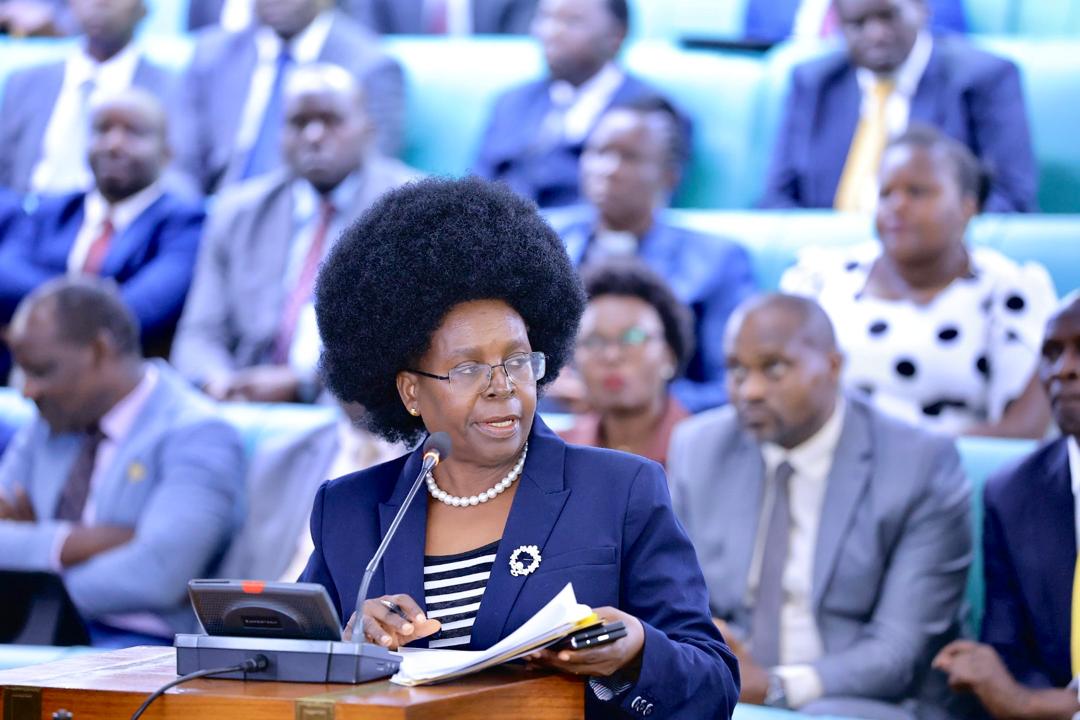
The Minister for Energy and Minerals Development, Hon. Monica Musenero who former oversaw the project, said she had documents confirming government’s shares in the company and pledged to engage the Attorney General to provide Parliament with the valuation reports and other relevant documents.