The Masaka Regional Referral Hospital is facing challenges in its ambulance services following cuts in funding.
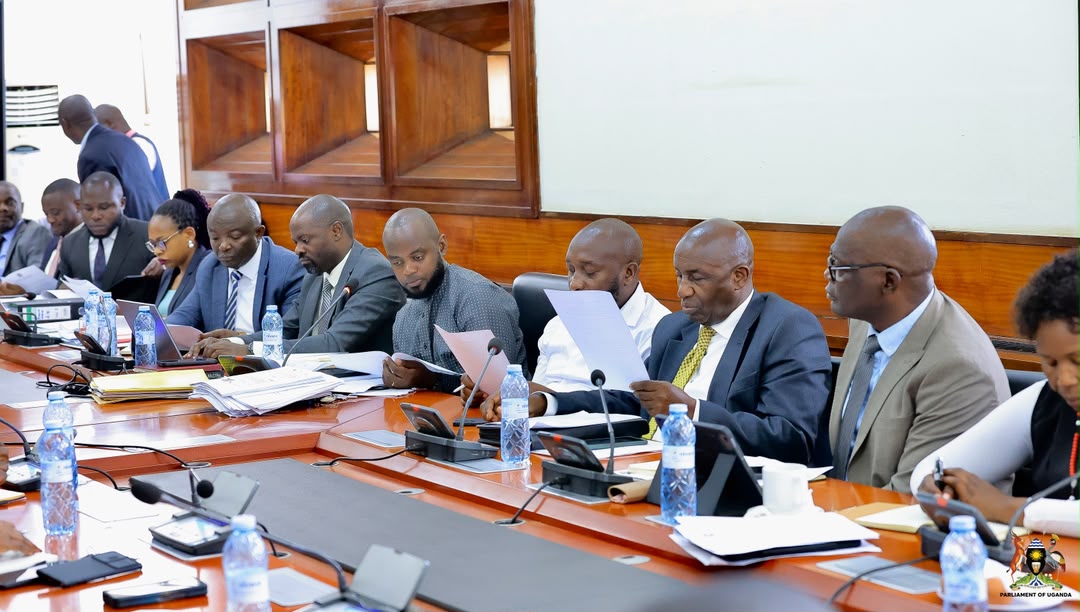
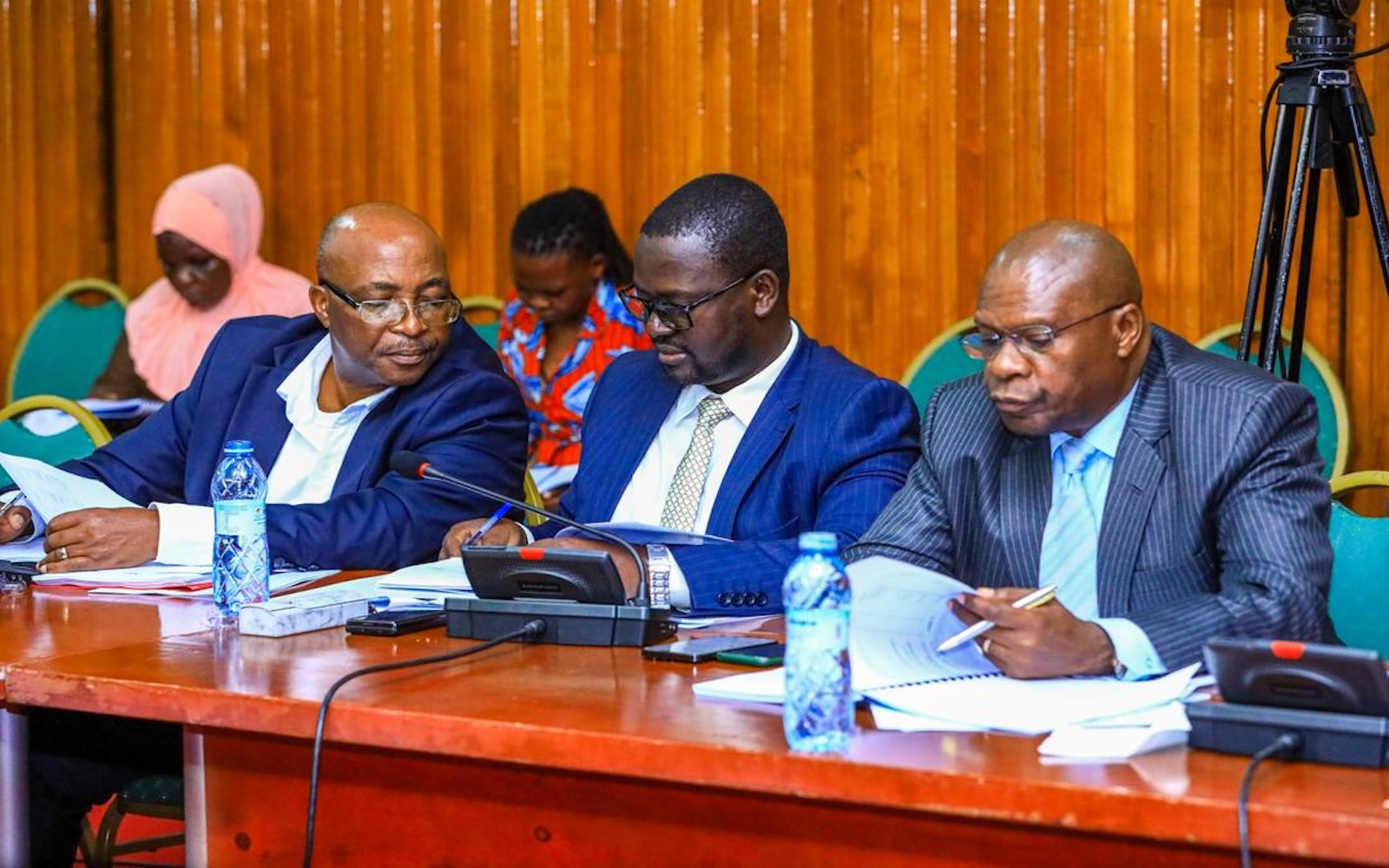
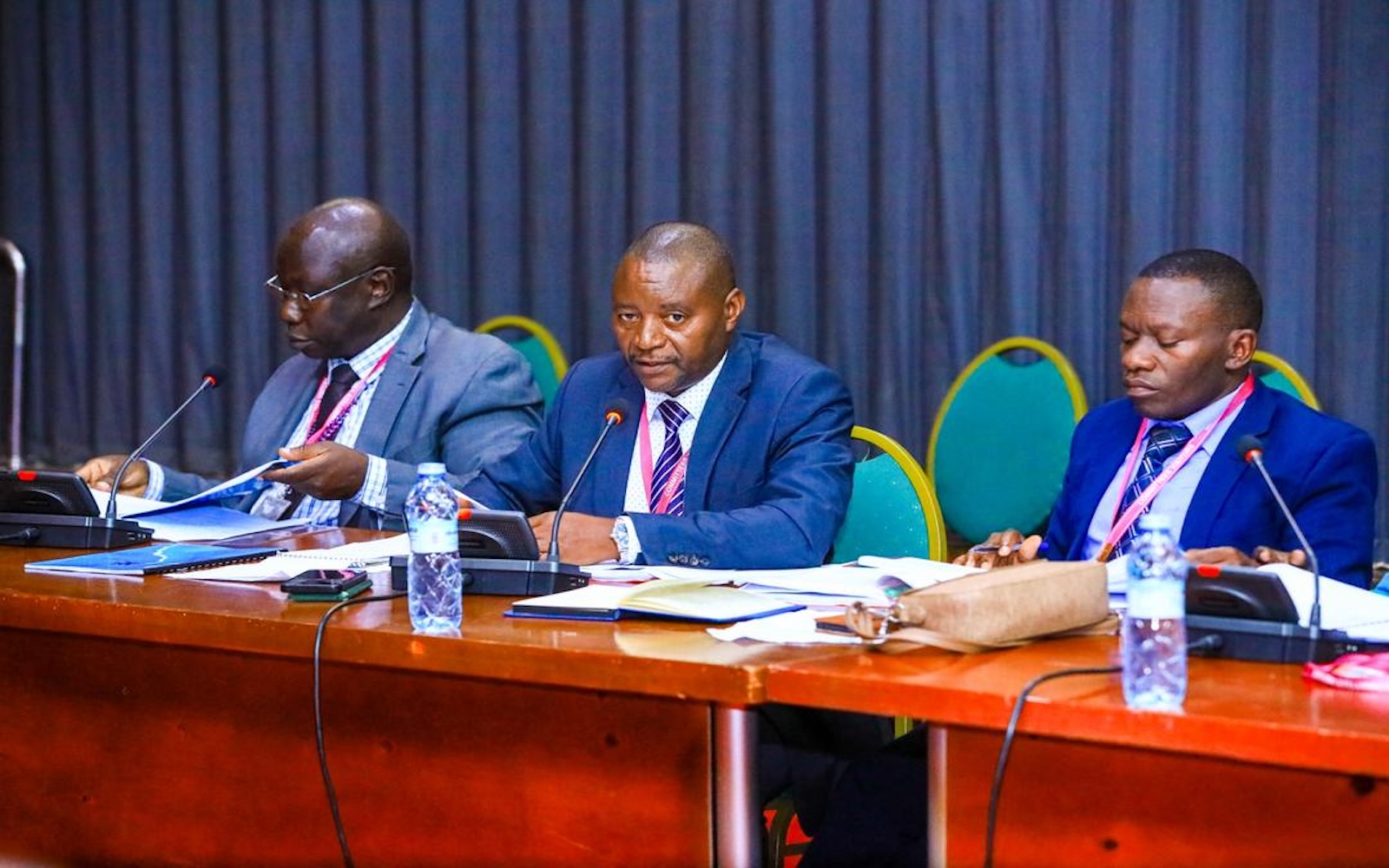
Appearing before the Public Accounts Committee (Central Government) on Thursday, 19 March 2026, the hospital’s Executive Director, Dr James Elima said that insufficient funding hampers the effectives of ambulance services in the Greater Masaka region as they receive only Shs36 million quarterly to service and fuel five ambulances.
Dr. Elima said the funds also support fueling of generators and other travel within the region.
“The main challenge of these ambulances is that the amount for fuel was dropped from Shs5 million to Shs1 million by the Ministry of Health, and this money is not enough as it only enables just one or two referrals,” Dr. Elima said.
Dr. Elima said that there are gaps in ambulance support adding that the hospital requires a type-c ambulance which is a specialised, high-capacity vehicle designed for advanced life support and intensive care transportation.
He also highlighted staffing gaps at the hospital, noting that there are only 32 midwives supporting over 800 child deliveries monthly compared to health facilities in districts like Kyotera that have 82 midwives.
Hon. Joseph Ssewungu (NUP, Kalungu West County) expressed concern over the costs incurred by patients that required immediate ambulance services.
“I have bought fuel for these ambulances before and the minimum is Shs500,000 to and fro and we do not do this willingly. Now imagine a patient from deep in the village who cannot afford such a cost,” Ssewungu said.
The committee Deputy Chairperson, Hon. Goreth Namugga was equally concerned that patients have to pay to use the ambulances during emergencies.
“This is a regional referral hospital and the public expects free services when they get there. If somebody is meant to be transferred to Kampala in critical condition and they do not have money, it means they will be stayed until they get the money which is not good,” Namugga said.
Hon. Richard Wanda (NRM, Bungokho Central County) tasked the Ministry of Health to explain the cut in fuel funding.
“Did the ministry provide an explanation for that cut? We should take more interest in why they cut fuel by almost 80 per cent. This means operations are cut by the same percentage,” Wanda said.
Kasilo County Member of Parliament, Hon. Elijah Okupa called for urgent re-consideration of use of water ambulances which he noted consume more fuel than other types of ambulances owing to the size of their engines.
“For us who come from areas near lakes, we were given a water ambulance, but it has not moved because it has never received fuel for two years now. The district leadership just used it the other day when we were launching the ferry to Bukungu,” Okupa said.